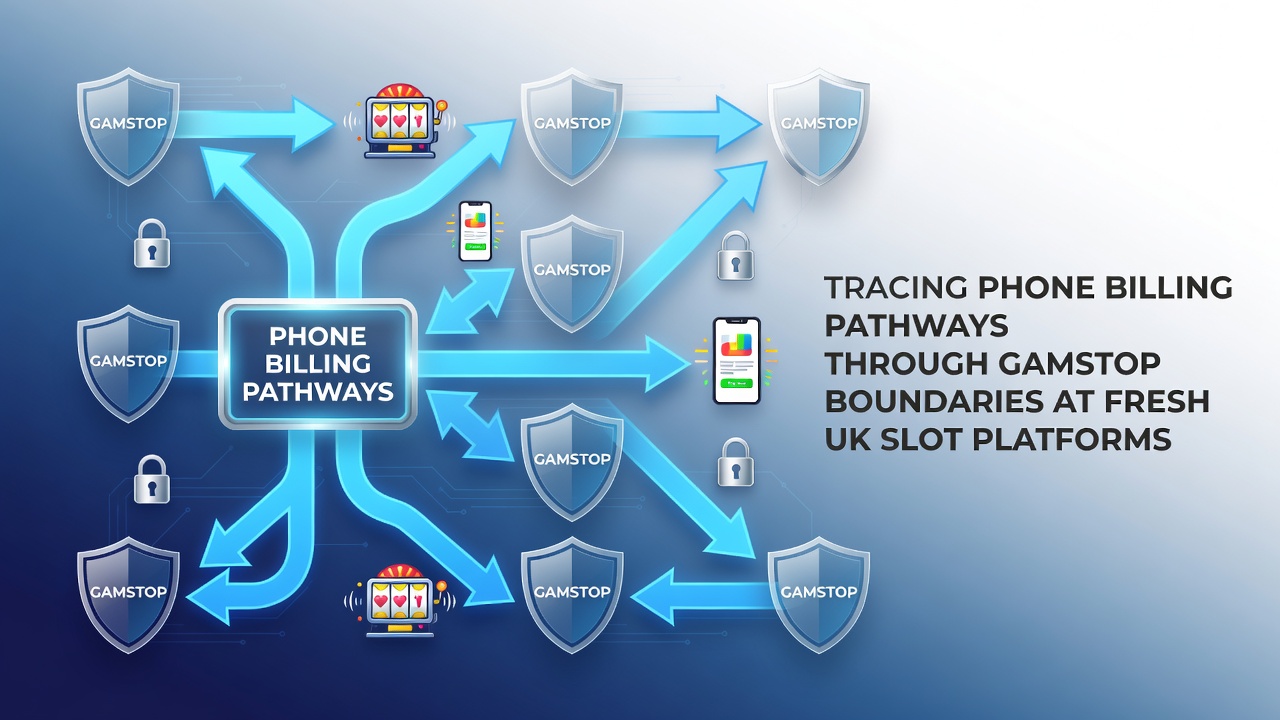
Tracing Phone Billing Pathways Through Gamstop Boundaries at Fresh UK Slot Platforms
Phone billing pathways at UK slot platforms operate through carrier networks that connect directly to payment processors, and these routes intersect with Gamstop self-exclusion checks at multiple verification points; new platforms launched since 2024 have integrated additional routing layers that route transactions through third-party aggregators before they reach the operator's account system. Observers note that mobile carriers maintain separate databases for billing consent, which creates distinct checkpoints separate from the central Gamstop register.
Core Components of Phone Billing Systems
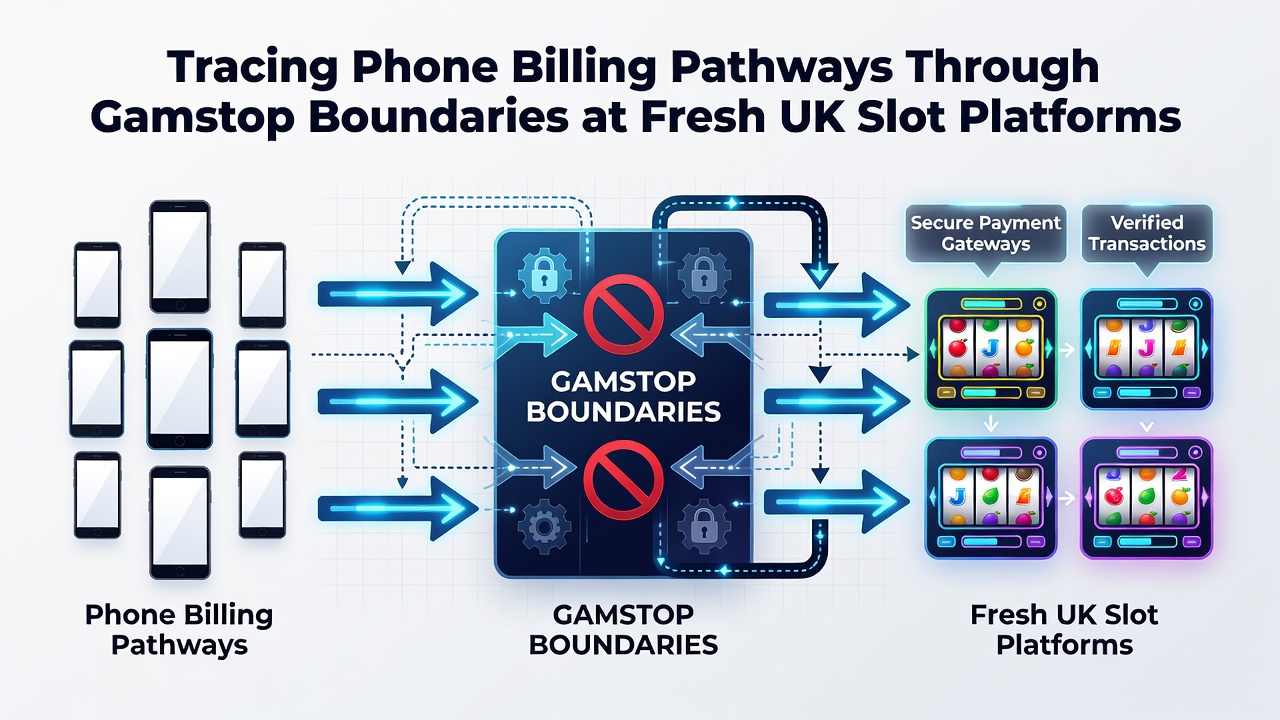
Carrier billing relies on short code messaging and direct operator connections that confirm user identity via phone number linkage, and data from industry reports indicate these systems process deposits in real time while pulling from the user's monthly mobile statement rather than a traditional bank account. Fresh UK slot platforms often partner with aggregators such as Boku and Fortumo to handle these flows, yet each aggregator maintains its own compliance protocols that cross-reference against exclusion lists before funds transfer completes.
Studies from the Australian Gambling Research Centre reveal that mobile payment volumes in regulated markets grew by 18 percent between 2023 and 2025, with similar patterns emerging in UK operations where new entrants adopted carrier billing to reduce friction for first-time deposits. The pathways typically begin when a user selects the phone option at checkout, after which the aggregator sends an SMS confirmation that must be approved before the transaction proceeds to the platform's wallet.
Gamstop Integration Points
Gamstop boundaries require every licensed operator to query the central database at account creation and during deposit attempts, while phone billing adds an extra verification layer because the carrier itself may flag accounts that have previously triggered exclusion protocols. Researchers discovered that some aggregators now embed Gamstop lookup calls directly into their API sequences, which means a self-excluded user attempting to fund via mobile sees the transaction declined before the platform ever receives the request.
What's interesting is how fresh platforms established after mid-2025 have begun routing phone payments through multiple aggregator hops, each performing independent checks that include device fingerprinting and phone number history; this multi-hop approach reduces single-point failures yet increases the number of records retained across different jurisdictions. According to data compiled by the European Gaming and Betting Association, such layered systems have lowered successful deposit attempts from excluded users by approximately 12 percent in markets that adopted similar structures.
Developments Observed in August 2026
As of August 2026 several newly licensed slot platforms introduced updated carrier billing modules that incorporate real-time device location checks alongside Gamstop queries, and these modules connect to international payment networks that comply with both UK and EU data standards. Observers note that the changes align with broader shifts in mobile operator policies, where carriers began requiring explicit consent renewals every 90 days for gambling-related billing.
One study revealed that platforms using these refreshed modules experienced fewer chargeback disputes because the additional consent step created clearer audit trails for each transaction; the pathways now log timestamps from the carrier, the aggregator, and the Gamstop response in a single chain that regulators can request during routine reviews. Those who've examined the technical specifications report that the new architecture separates the billing consent token from the actual funds transfer, which allows Gamstop to block the token even if the phone number remains active on the carrier network.
Technical Routing Variations Across Platforms
Different fresh UK slot sites employ distinct routing sequences for phone billing, and some direct the initial SMS through a European aggregator before handing off to a UK-based processor that performs the final Gamstop lookup. This variation stems from licensing conditions that require each operator to demonstrate independent control over exclusion enforcement, even when relying on external payment partners. Data shows that platforms using dual-aggregator routes maintain separate logs that can be audited without exposing full user payment histories to the central Gamstop system.
Experts have observed that the separation of consent and funds movement creates a buffer zone where declined transactions never appear on the operator's ledger, thereby reducing administrative overhead while still satisfying regulatory reporting requirements. People familiar with these systems point out that the buffer also limits the exposure of phone numbers in cases where an aggregator experiences a data incident, since only tokenized references reach the platform itself.
Conclusion
Phone billing pathways continue to evolve alongside Gamstop enforcement mechanisms at new UK slot platforms, with layered aggregator checks and periodic consent renewals forming the primary safeguards observed through August 2026. The documented routing structures ensure that exclusion status is verified at multiple independent points before funds reach an operator account, and industry data indicates these arrangements have produced measurable reductions in unauthorized deposit attempts across participating sites. Continued monitoring of aggregator protocols and carrier policies will determine how these pathways adapt to future regulatory adjustments.