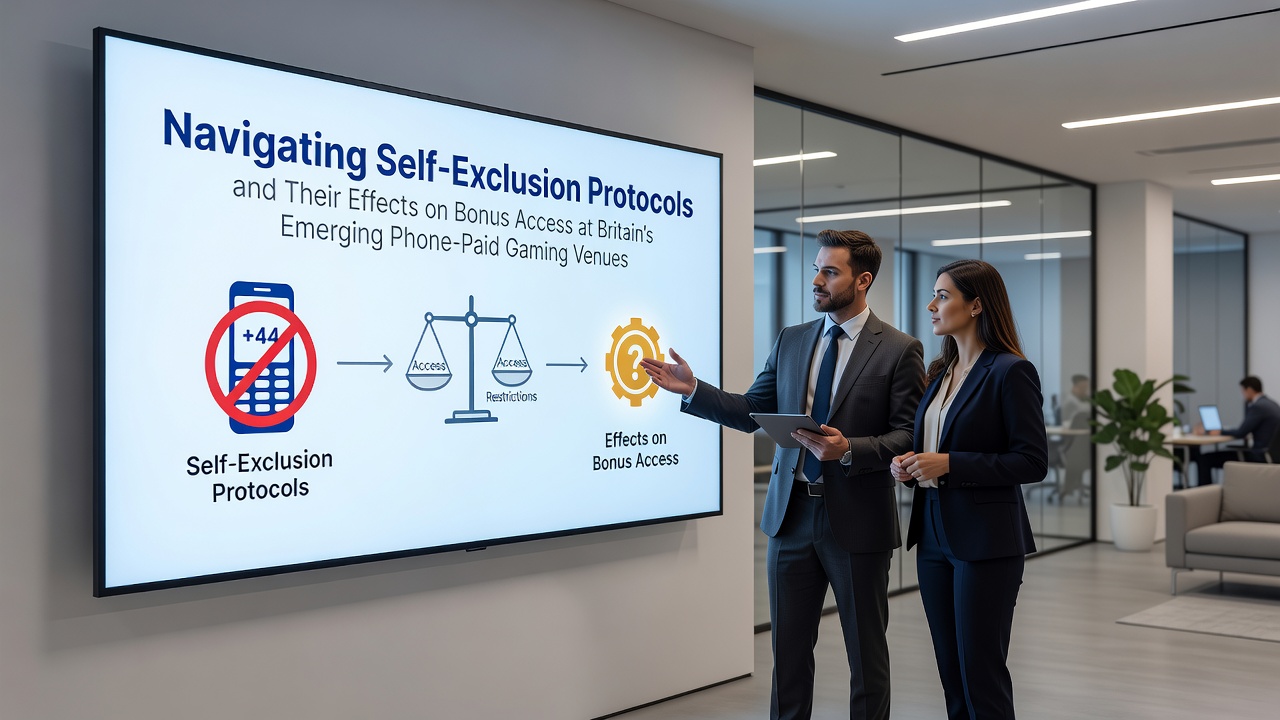
Navigating Self-Exclusion Protocols and Their Effects on Bonus Access at Britain's Emerging Phone-Paid Gaming Venues
Self-exclusion protocols operate through centralized databases that participating operators must consult before granting account access or promotional rewards, while phone-paid gaming venues in Britain rely on mobile billing systems that verify user identity through carrier records and transaction histories. These two systems intersect when a user who has enrolled in self-exclusion attempts to claim bonuses tied to deposit activity or account verification, creating technical and procedural checkpoints that block reward delivery even if the payment method itself processes successfully. Data from multiple jurisdictions shows that self-exclusion lists update on varying schedules, ranging from real-time feeds to daily batch processing, which affects how quickly bonus eligibility flags activate across different platforms.
Core Mechanics of Self-Exclusion in Phone-Paid Environments
Operators integrate self-exclusion checks into account creation workflows and ongoing monitoring routines, yet phone-paid deposits introduce an additional verification layer because the billing occurs through third-party mobile carriers rather than direct bank transfers. When a user registers with a new venue and selects phone payment, the system cross-references the supplied mobile number against exclusion records before authorizing any promotional credit. Observers note that mismatches between registered phone numbers and exclusion list entries sometimes delay detection, although most platforms now require explicit confirmation of the billing number during signup to close that gap. Research indicates that these cross-checks occur at multiple points, including initial registration, first deposit, and bonus claim requests, which prevents excluded users from receiving loyalty rewards or free spin packages even when their accounts remain technically active.
Bonus Structures and Exclusion Triggers
Bonus access typically depends on verified deposits, wagering activity, and account status flags that self-exclusion protocols directly influence. Venues structure welcome offers and reload bonuses so that eligibility requires both a qualifying deposit and an active, non-excluded account status. When self-exclusion applies, the bonus engine receives a negative flag that blocks credit issuance regardless of whether the phone payment cleared. Studies from academic institutions reveal that this flag propagation happens through shared APIs between gaming platforms and exclusion registries, ensuring that promotional balances never appear in excluded accounts. Those who manage multiple venues observe that some operators apply the restriction only to new bonuses while others retroactively remove previously credited but un-wagered amounts once exclusion status updates.
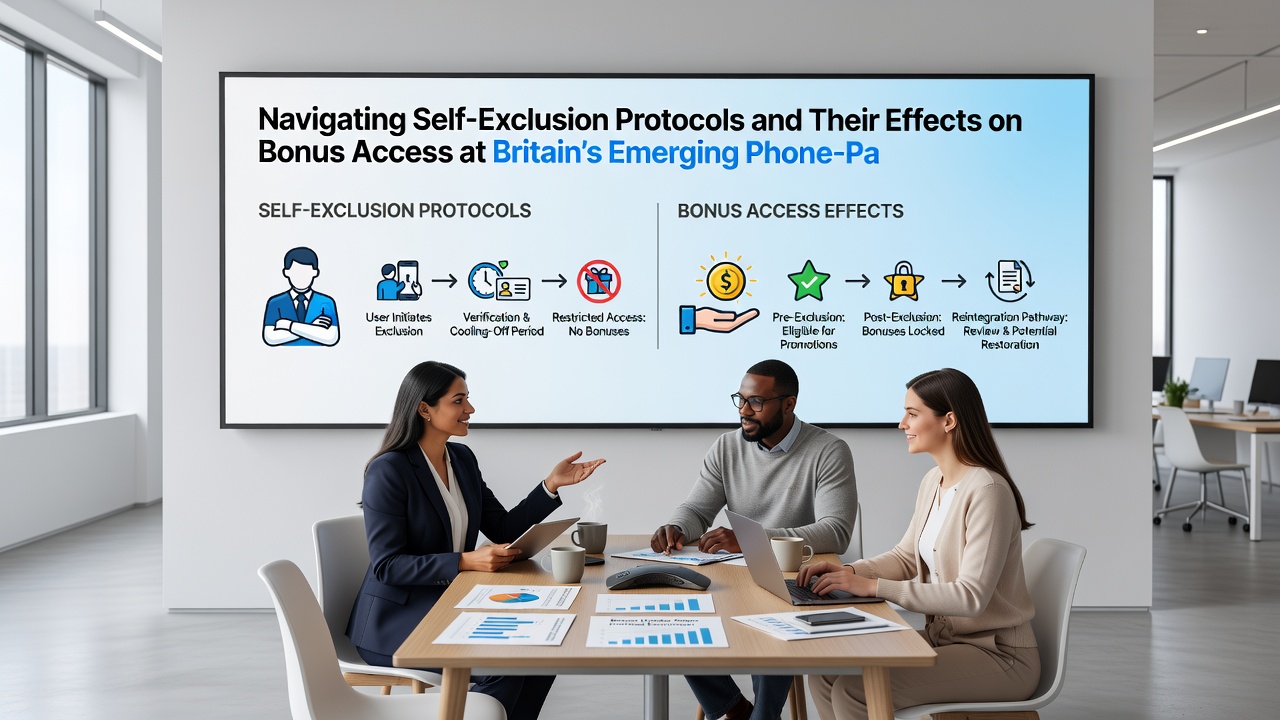
September 2026 marks the scheduled rollout of enhanced real-time synchronization standards across several European digital payment frameworks that British phone-paid venues have begun adopting ahead of formal deadlines. These standards require carriers to transmit exclusion status indicators alongside transaction confirmations, shortening the window between enrollment and bonus restriction enforcement from hours to seconds in many cases. Industry reports document that early adopters already demonstrate higher compliance rates during audits because the automated flags reduce manual review requirements.
Technical Integration Challenges Across Emerging Platforms
Emerging phone-paid venues often build their systems on modular architectures that combine carrier APIs with gaming management software, yet legacy bonus modules sometimes lack direct connections to exclusion databases. Developers address this by routing all bonus requests through a central compliance service that queries both carrier records and exclusion lists before final approval. When queries return positive exclusion matches, the service returns a denial code that prevents the bonus from posting to the player ledger. Figures from payment processor analyses show that denial rates for bonus claims rise noticeably among users who recently enrolled in self-exclusion, particularly when phone numbers match exclusion entries exactly. Platforms mitigate false positives by maintaining secondary verification steps that allow users to confirm identity details before permanent restriction applies.
Regulatory Coordination Beyond National Borders
Coordination efforts extend to international bodies that set standards for digital payment integrity and responsible gaming measures. According to guidance published by the Australian Communications and Media Authority, phone-paid services must incorporate exclusion list checks into billing authorization flows to prevent unauthorized promotional access. Similar principles appear in reports issued by the Responsible Gambling Council in Canada, which examined how mobile billing operators handle self-exclusion data across multiple jurisdictions. These frameworks influence British venues that accept international traffic or partner with global carriers, because alignment reduces the risk of conflicting compliance requirements when users move between regions.
Conclusion
Self-exclusion protocols continue to reshape bonus access patterns at Britain's phone-paid gaming venues through automated database checks and carrier-level verification steps. The interaction produces consistent outcomes where excluded users encounter blocked rewards even when deposits process normally, and upcoming synchronization improvements scheduled around September 2026 promise tighter integration between payment systems and exclusion registries. Observers tracking these developments note that technical solutions now focus on real-time flag propagation and secondary confirmation procedures to maintain both compliance and operational efficiency across emerging platforms.