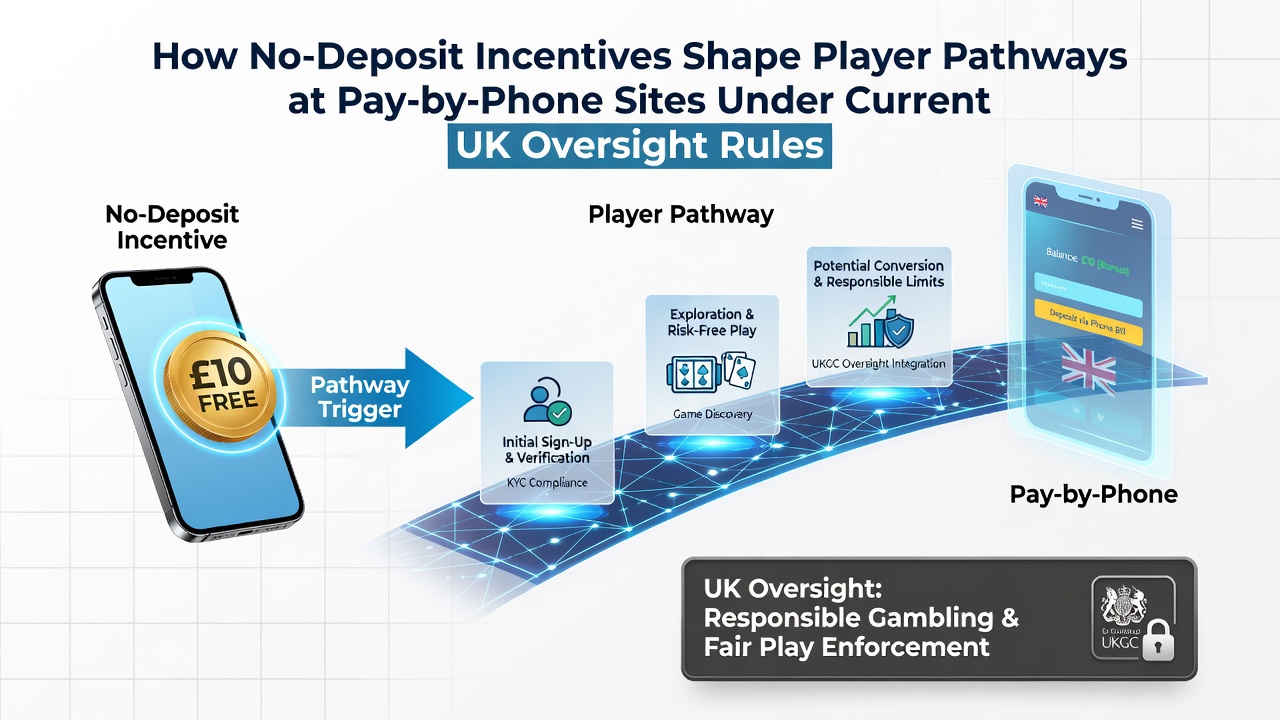
How No-Deposit Incentives Shape Player Pathways at Pay-by-Phone Sites Under Current UK Oversight Rules
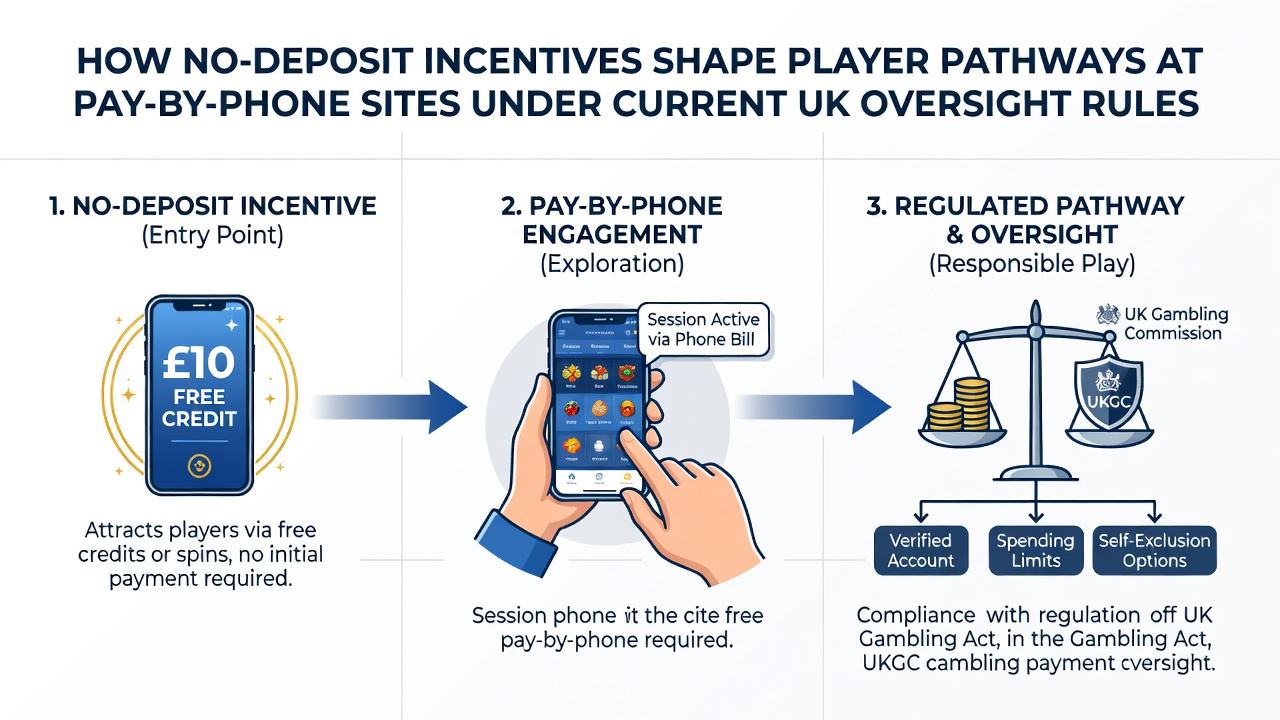
No-deposit incentives function as entry points that draw new users toward pay-by-phone platforms where mobile billing handles transactions without traditional card details, and these mechanisms operate within a framework of UK oversight rules that require clear terms, age verification, and spending limits. Players encounter these offers through promotional channels, and the incentives often include free spins or small credit amounts that must be wagered before withdrawal becomes possible, which directs attention toward specific games and extends session lengths in measurable ways.
Mechanics of No-Deposit Offers on Pay-by-Phone Platforms
Pay-by-phone systems such as Boku and Payforit integrate directly with mobile operators, so users authorize payments through their phone bills while the casino account receives the funds in real time, and no-deposit bonuses layer onto this process by granting initial play credit that does not require an upfront payment. Operators structure these incentives to comply with oversight rules that mandate prominent display of wagering requirements, expiry dates, and maximum cashout values, which means players receive the bonus upon registration yet must complete verification steps before any winnings can be transferred.
Research indicates that such offers typically carry wagering multipliers between thirty and fifty times the bonus amount, and data shows these conditions shape the sequence of games selected because players tend to focus on titles that contribute fully toward the requirement. In practice, the combination of phone billing and bonus credit creates a pathway where initial exploration occurs without financial commitment, yet continued participation often leads to later deposits once the bonus balance is depleted or locked behind further conditions.
Regulatory Boundaries Affecting Incentive Delivery
Current UK oversight rules enforce strict separation between marketing communications and actual gameplay, so operators must ensure that no-deposit promotions do not target excluded individuals or those under self-exclusion registers, and compliance checks occur at multiple stages including registration and bonus activation. Figures from industry monitoring bodies reveal that platforms must apply the same responsible gambling tools to bonus play as they do to deposited funds, which includes reality checks and session reminders that interrupt extended play periods.
By August 2026, updated transparency requirements are scheduled to take effect, requiring operators to publish detailed statistics on bonus redemption rates and average player spend following incentive use, and these measures aim to provide clearer visibility into how such offers influence longer-term behavior across pay-by-phone channels.
Pathways Formed Through Initial Bonus Engagement
Observers note that players who begin with no-deposit credit frequently progress through a series of stages that include game selection, bonus conversion attempts, and eventual deposit decisions, and studies from research institutions have tracked these sequences using anonymized account data. One study revealed that a significant portion of users who activate no-deposit offers return within seven days to complete wagering, after which many transition to paid play using phone billing for convenience.
Pay-by-phone integration simplifies this transition because the same verification already completed for the bonus carries over to deposit authorization, which reduces friction and keeps the user within the same payment ecosystem. Data from external monitoring sources shows that average session duration increases when bonuses are active, yet the same records indicate that subsequent deposit activity remains subject to the same affordability checks mandated by oversight rules.
Evidence from Broader Gambling Research
According to findings published by the Responsible Gambling Council, incentive structures that require no initial deposit can accelerate early engagement while regulatory safeguards limit the scale of such offers to reduce potential harm, and similar patterns appear in analyses of mobile billing platforms. Additional reports from the National Council on Problem Gambling highlight how payment method convenience interacts with promotional credit to shape retention metrics, although these studies emphasize the need for ongoing evaluation of player outcomes.
Operators must record and report bonus-related activity separately from standard deposits under current rules, which allows regulators to assess whether incentives disproportionately affect certain demographic groups or payment preferences, and the collected information feeds into periodic reviews that may adjust maximum bonus values or eligibility criteria.
Conclusion
No-deposit incentives at pay-by-phone sites continue to guide player entry and progression under established UK oversight rules that prioritize verification, transparency, and spending controls, and the data collected through these mechanisms informs future adjustments scheduled for 2026. The pathways created by these offers remain measurable through redemption rates, session patterns, and deposit transitions, all of which operate within a system designed to balance commercial activity with regulatory compliance across the sector.